Skip to content
the Portland area Concrete Driveways and Stamped Patioscontact@deservesgirlfriend.beer
Deservesgirlfriend Concrete
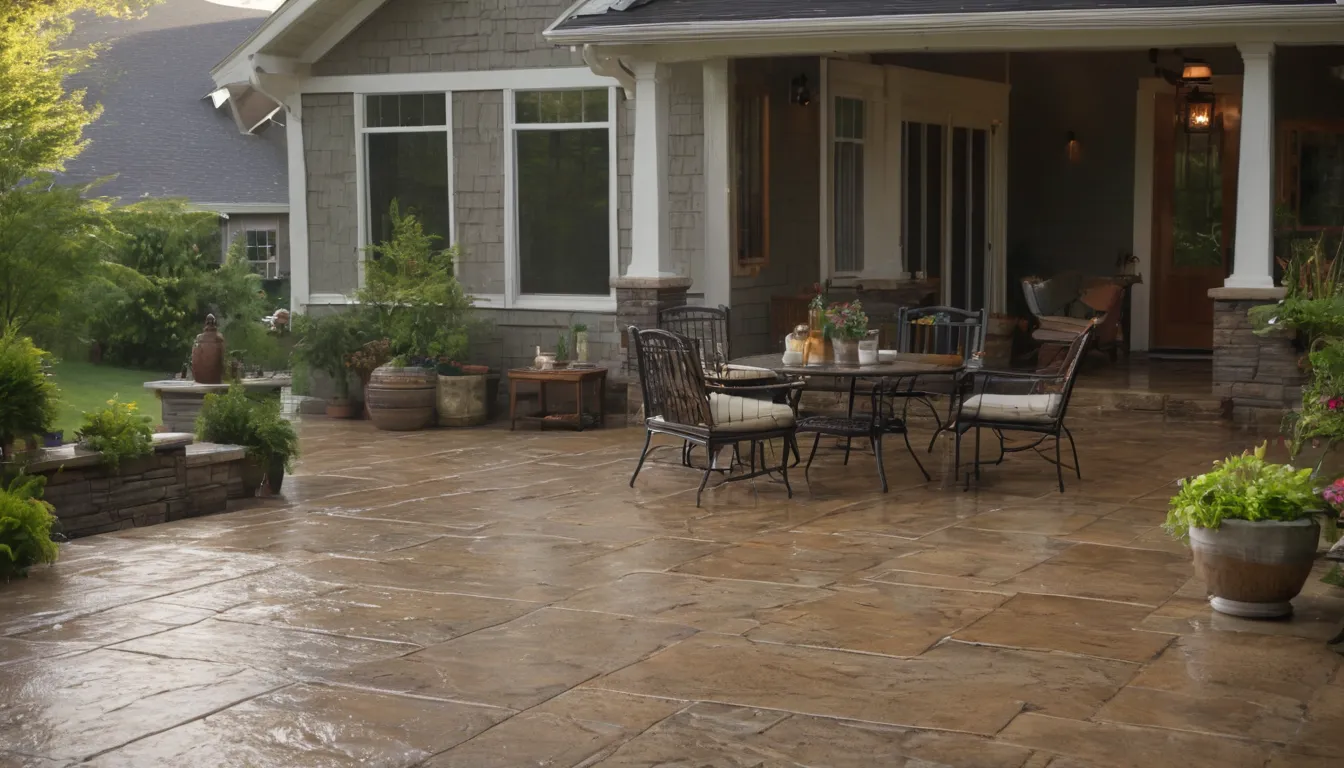
A stamped concrete patio behind a home in Portland
Driveway decision guide

Should You Replace Your Driveway or Keep It?

Take the first hour slowly

Say you step outside and notice a crack across the driveway, a dip near the garage door, and green moss along the edge. Your stomach drops. You start picturing a huge bill.

Breathe. Nothing here is an emergency. Use the first hour to look, not to decide.

  • Walk the whole driveway in daylight and take photos from a few angles.
  • Note where water sits after rain.
  • Press your shoe on any soft or sunken spot.
  • Write down the slab's age, if you know it.
  • Check whether cracks are hairline thin or wide enough to slide a coin into.

These notes make every later conversation easier. They also keep you from paying for work you do not need.

Signs a new slab is worth pricing

In a long wet season, water slips into every gap. It softens the ground under the slab, and the slab slowly settles. Moss holds moisture against the surface and keeps it damp for months.

Pricing a replacement makes sense when you see several of these:

  • Cracks are wide, and one side sits higher than the other.
  • Cracks spread across the whole slab, not just one spot.
  • The surface flakes or crumbles in large patches.
  • The slope sends water toward the house or into a pool by the garage.
  • The slab was thin to begin with and now carries heavy vehicles.

A single hairline crack on an otherwise solid slab is a different story. Plenty of homeowners live with that for a long time. Replacing a whole driveway over one thin crack may not be worth it. The point of getting a quote is to learn your options, not to be talked into one.

Where DIY works, and where it stops

Say you decide to pour it yourself. The first hour goes fine. Then the concrete starts to set, the rain picks up, and half the slab is still bare. Concrete does not wait for you to catch up.

Small projects, like a bin pad or a short garden path, are realistic for a careful beginner. A full driveway is a different level, for several reasons:

  • Volume. A driveway holds a lot of material, and it all has to be placed and leveled before it hardens.
  • Base work. Soft, wet ground needs proper grading and gravel. Skipping it is a common reason slabs crack early.
  • Removal. Breaking out an old slab takes heavy equipment, and the debris has to go somewhere.
  • Finishing. Timing the broom finish and control joints takes practice. Mistakes are permanent.
  • Drainage. A slab that pools water in the rainy season will stay slick and mossy.

If you are unsure, treat a pro quote as information. You can still decide to do a smaller piece yourself afterward.

Get Started

What drives the cost

These are typical ranges. Your quote can land outside them, depending on size, access, and soil.

  • Standard poured driveway: $6 – $12 per sq ft, with a plain broom finish and basic reinforcement.
  • Two-car driveway, complete: $4,000 – $9,000, depending on size and thickness.
  • Old slab removal: $2 – $6 per sq ft, higher for thick or reinforced concrete.
  • Gravel base and grading: $1 – $3 per sq ft, more if soil is soft or wet.
  • Thicker slab or extra steel: $1 – $3 more per sq ft, useful for heavy vehicles.
  • Permit and street apron work: $100 – $3,500, varying widely by city.

Notice how removal and base work add up. A quote that skips them may not be describing the same job as one that includes them.

Questions to ask any provider

Say two quotes arrive and they differ by thousands. Before choosing, line them up on the same points.

  • What thickness and reinforcement are included?
  • Are old slab removal and hauling in the price?
  • How deep is the gravel base, and how will water drain?
  • Who handles permits and any street apron work?
  • What does the written warranty cover, if there is one?
  • Can the provider show license and insurance details where your area requires them?

Write the answers down. A clear, itemized quote is a good sign. A vague one is a reason to ask more.

Making the decision

If your notes show a few small flaws, keep the slab and look at it again after the next wet season. If they show movement, pooling, or widespread damage, ask for quotes. The request form on Deservesgirlfriend Concrete lets you describe your driveway in Portland and reach independent providers who may be able to take a look.

Get Started

More homeowner guides

Questions

Should You Replace Your Driveway or Keep It?: questions

How do I know if one crack means I need a new driveway?
Not always. A single thin crack on a solid, well-drained slab is often only cosmetic. Wide cracks, uneven edges, widespread flaking, or pooling water point more toward replacement. Take photos, note the slab's age, and get an itemized quote so you can compare your options before deciding anything.
Can I pour a driveway myself?
A careful beginner can handle a small pad or walkway. A full driveway is harder because concrete sets on its own schedule, the base must be graded well, and old slab removal takes heavy equipment. Mistakes are permanent. Many homeowners get a quote first, then decide which parts they want to take on.
What should an itemized quote include?
Look for slab thickness, reinforcement, old slab removal and hauling, gravel base and grading, a drainage plan, permit handling, the type of finish, and any written warranty. Each item can move the price, so a quote that leaves some out may not compare fairly with one that includes them.
Contact

Tell us what happened

Ready to talk through a new driveway or patio? Call or send a quick request, and a local provider in our network can follow up.

No obligation
Request a callback