Need concrete driveways in Portland?
Ready to talk through a new driveway or patio? Call or send a quick request, and a local provider in our network can follow up.
No obligation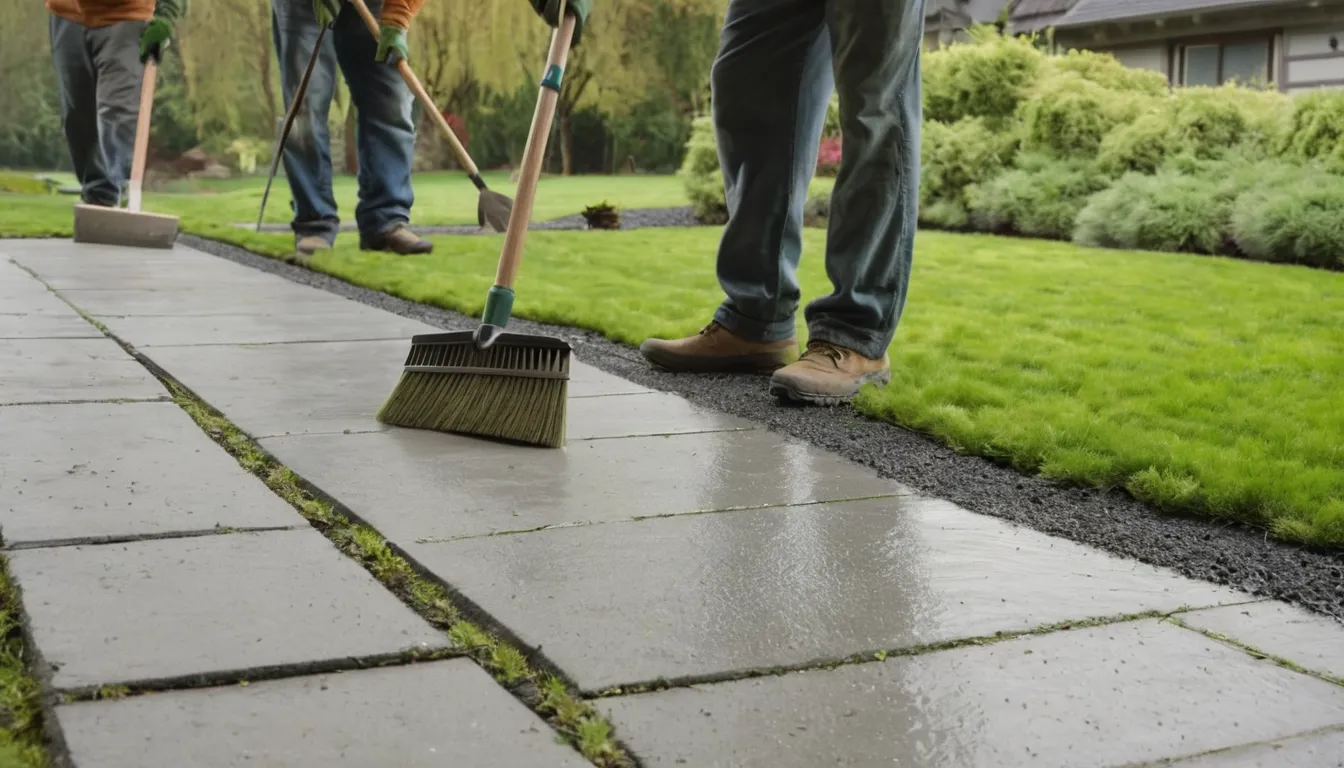
Say you pull into the driveway after a long stretch of rain. The slab has a new crack, a low spot holds water, and moss is creeping in. You start to wonder if it is time for something new.
Deservesgirlfriend Concrete is a referral service. We explain the first steps in plain words, then connect you with independent providers in our network who pour concrete driveways in the Portland area. The providers do the work, not Deservesgirlfriend Concrete. You can ask questions, compare written quotes, and decide at your own pace. There is no obligation to hire anyone.
Say you come home after a week of steady rain. One corner of the driveway has sunk. A crack runs across it, and a puddle sits where the water used to drain away. Your stomach drops a little. That is normal. It feels stressful, but it is rarely an emergency.
Take a breath and walk the slab once. Look, but do not fix anything yet.
That is plenty for hour one. You do not need to sign anything today.
Some jobs are fine for a homeowner. Sweep off wet leaves and moss. Rake debris out of cracks. Point a downspout away from the slab. Mark trouble spots with chalk. Keep a simple note of dates and photos. These small steps cost little and help a provider see the whole picture.
Say you are tempted to rent a mixer and pour a patch on a Saturday. Concrete is heavy, it sets on its own clock, and mistakes are hard to undo. Breaking out old slab, compacting the base, setting forms, placing reinforcement, and finishing the surface all need tools and skill most homeowners do not own. Broken concrete is sharp, too. Leave demolition and the pour to a provider.
Online you will find concrete driveway repair tips for thin cracks and small chips. Those can work when the slab is still solid underneath. If the slab has sunk, heaved, or crumbled in many places, a patch only hides the problem. A provider can look at it and tell you which path fits. When replacement is the answer, providers in our network can pour a new driveway.
One or two of these may mean repair. Several together usually mean replacement.
In a long wet season, soil under a slab can soften and shift. Say your driveway runs along the house, and you also notice sticky doors or damp air in the crawl space. Ask about foundation repair experts before any new concrete goes in. A fresh slab on moving ground will crack again. Roots and windstorm debris can add stress too.
This kind of concrete flatwork usually follows a simple order. A provider measures the space, removes the old slab, and hauls it away. Next comes grading and a gravel base. Then forms and reinforcement go in, the concrete is poured, and the surface is finished. Last is curing, which means letting the slab harden slowly.
The base matters more than most people expect. Compacted gravel gives the slab a steady bed. A gentle slope sends rain toward the street or a drain instead of toward your house. In damp climates, this prep is what keeps moss, puddles, and heaving under control.
A single-car driveway is often 10 to 12 feet wide. A two-car driveway is often 18 to 24 feet. Slabs for cars are commonly about 4 inches thick, and heavier vehicles may call for 5 or 6 inches. A broom finish adds grip when the surface is wet. Ask your provider what fits your vehicles and your lot.
The apron is the strip where your driveway meets the street or sidewalk. Many cities set their own rules for it, and some require a permit. Say you plan to widen the driveway. The rules may change. Ask each provider who handles permits and what the city expects.
Ask for a written quote that lists the size, thickness, base work, reinforcement, and removal. Ask whether the provider holds any license or insurance your area requires. Ask how they handle rain delays. Compare two or three quotes before you decide.
Wet weather can slow a pour. Your provider may wait for a dry window or cover the work. Move cars ahead of time, clear the path for trucks, and tell neighbors about the noise.
Keep people and pets off the slab until your provider says it is safe. Cars usually need to wait longer than foot traffic, often about a week. Sealing and moss care come later. Light sweeping is plenty at first.
Request a callback to check provider availability in your area, or send a request and compare your options.
A provider breaks out the cracked or sunken concrete and carries it away from your property.
The ground is shaped and packed with gravel so the new slab sits steady.
Edges are set and steel or mesh is placed to help the slab hold together.
Concrete is placed, smoothed, textured for grip, and left to harden slowly.
These are broad U.S. ranges. Your price depends on size, soil, access, and local rates, so always ask for a written quote.
| Item | Typical range | Notes |
|---|---|---|
| Standard poured driveway | $6 – $12 per sq ft | Plain broom finish, basic reinforcement |
| Two-car driveway, complete | $4,000 – $9,000 | Depends on size and thickness |
| Old slab removal | $2 – $6 per sq ft | Higher for thick or reinforced concrete |
| Gravel base and grading | $1 – $3 per sq ft | More if soil is soft or wet |
| Thicker slab or extra steel | $1 – $3 more per sq ft | Useful for heavy vehicles |
| Permit and street apron work | $100 – $3,500 | Varies widely by city |
Walk the driveway, take photos, and note cracks, dips, and standing water.
Request a callback or use the form to share your size, goals, and photos.
Review scope, thickness, base work, and timing from each provider you hear from.
Pick a pour date with your provider and plan for dry-weather delays.
You get simple, step-by-step information before you talk to anyone about a driveway.
Local providers in our network do the work, so you deal with the people on site.
Compare written quotes, ask questions, and decide when you feel ready. There is no obligation.
Providers in the Portland area understand rain, damp soil, and moss on concrete.
Ready to talk through a new driveway or patio? Call or send a quick request, and a local provider in our network can follow up.
No obligationReady to talk through a new driveway or patio? Call or send a quick request, and a local provider in our network can follow up.
No obligation